Choosing the right exterior paint is not just a color decision. It directly affects how well a surface holds up against weather, sunlight, and long-term wear. Among the most common options homeowners encounter are acrylic exterior paint and water-based exterior paint. While the two are often grouped, they are not interchangeable, and understanding the difference can prevent premature peeling, fading, or maintenance headaches.
This blog breaks down how acrylic exterior paint performs versus water-based exterior paint, focusing on durability, finish quality, and real-world exterior conditions.
Understanding Exterior Paint Types Before You Choose
Exterior paints are engineered to withstand harsher conditions than interior coatings, especially when applied by professionals. The binders used in the paint play a major role in how well the coating performs outside.
What Is Acrylic Exterior Paint?
Acrylic exterior paint is made with acrylic resin binders that allow the paint film to remain flexible and durable after curing. This flexibility helps the coating expand and contract with temperature changes, which is critical for exterior surfaces exposed to heat, cold, and moisture.
Because of its resilience, acrylic exterior paint is widely used on siding, stucco, masonry, wood, and fiber cement. It adheres well to a variety of surfaces and maintains its integrity over time, even in challenging climates.
What Is Water-Based Exterior Paint?
Water-based exterior paint refers to paints that use water as the primary solvent rather than oil. Many modern exterior paints fall into this category, including acrylic formulations. However, not all water-based exterior paint products contain the same level of acrylic resin, which can impact performance.
In general, water-based exterior paint offers easier cleanup, faster drying times, and lower odor, making it appealing for many exterior projects.
Performance Differences That Matter for Exterior Projects
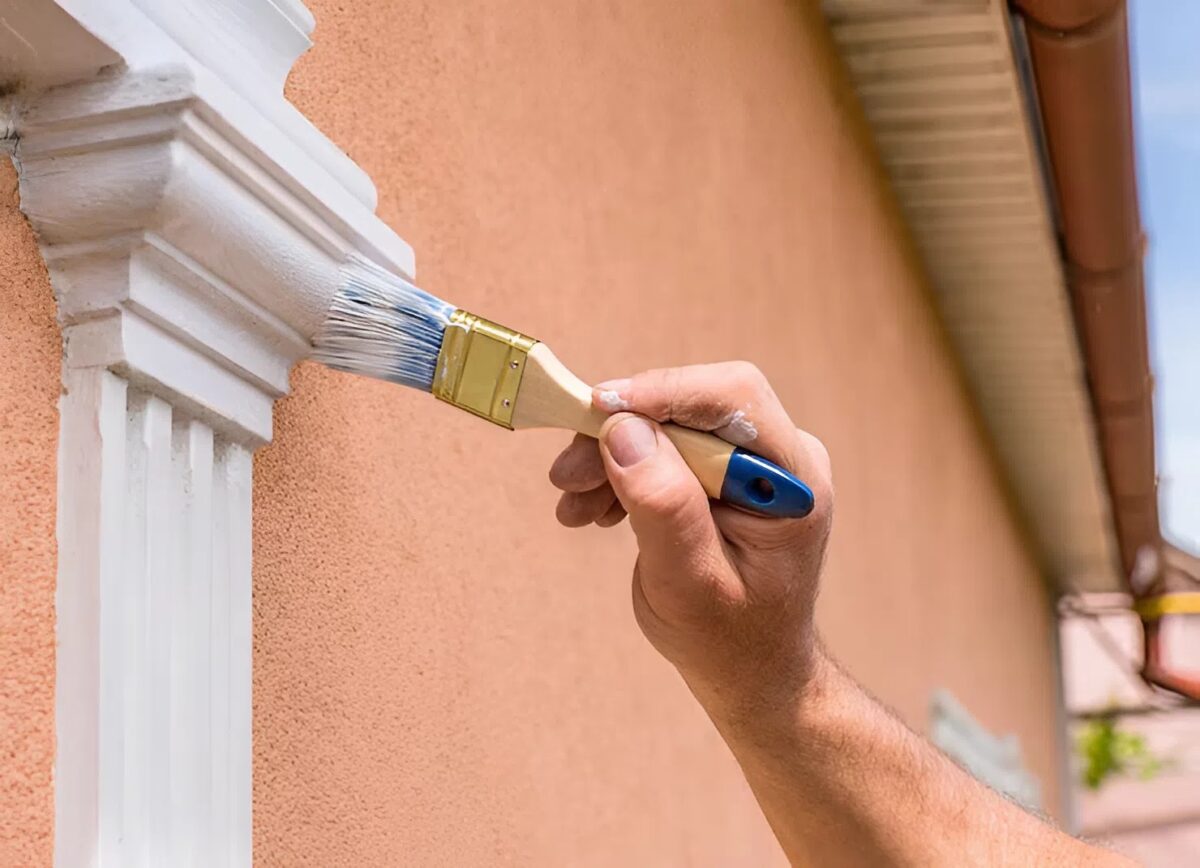
When comparing acrylic exterior paint and water-based exterior paint, performance under stress is where the differences become most noticeable.
Durability and Long-Term Protection
Acrylic exterior paint is known for its superior durability. The acrylic binders create a strong yet flexible film that resists cracking, peeling, and blistering. This makes acrylic exterior paint a preferred choice for surfaces exposed to direct sunlight and fluctuating temperatures.
While water-based exterior paint can perform well, lower-quality formulations may lack the same level of resilience. In demanding environments, these paints may require more frequent repainting compared to high-quality acrylic exterior paint.
Resistance to Weather, UV Exposure, and Moisture
Exterior surfaces are constantly exposed to rain, humidity, and UV radiation. Acrylic exterior paint excels in these conditions because it resists moisture penetration while still allowing the surface to breathe. This reduces the risk of trapped moisture that can lead to paint failure.
Some water-based exterior paint products handle moisture effectively, but performance can vary depending on the acrylic content. Paints with lower-quality binders may fade or chalk more quickly under intense sun exposure.
Flexibility and Crack Resistance Over Time
One of the defining advantages of acrylic exterior paint is its flexibility. As building materials expand and contract, the paint film moves with them. This flexibility helps prevent cracks that allow water to seep in.
In contrast, certain water-based exterior paint options may become brittle over time if they lack sufficient acrylic resin, increasing the risk of surface cracking.
Finish Quality and How Each Paint Ages
The way paint looks after application is important, but how it looks years later matters even more.
Color Retention and Fade Resistance
Acrylic exterior paint is highly resistant to fading. The acrylic resins help pigments stay locked in place, preserving color vibrancy even after prolonged UV exposure. This is a major reason acrylic exterior paint is often recommended for darker or more saturated exterior colors.
While water-based exterior paint can provide a smooth, attractive finish initially, lower-grade options may fade faster, particularly on sun-facing walls.
How Acrylic Exterior Paint Handles Surface Wear
Over time, exterior surfaces experience abrasion from wind, debris, and routine cleaning. Acrylic exterior paint holds up well under this wear, maintaining its finish without excessive chalking or erosion.
How Water-Based Exterior Paint Performs Over Time
High-quality water-based exterior paint can age gracefully, but performance depends heavily on formulation. Products with a strong acrylic component tend to last longer and maintain their appearance more consistently.
Application, Drying, and Maintenance Expectations
Ease of application and maintenance can influence which paint is right for a project.
Application and Surface Compatibility
Acrylic exterior paint adheres well to a wide range of surfaces, including previously painted areas. This versatility makes it a reliable option for repaints and surface transitions.
Water-based exterior paint is also easy to apply and typically produces fewer brush marks, which is appealing for large exterior walls.
Drying Time, Curing, and Recoating
Both acrylic exterior paint and water-based exterior paint dry relatively quickly compared to oil-based products. Faster drying allows for quicker recoating and shorter project timelines, though full curing still takes time.
Maintenance Cycles and Repainting Needs
Thanks to its durability, acrylic exterior paint generally requires less frequent repainting. Its resistance to cracking and fading helps extend the life of the finish.
Some water-based exterior paint products may need more regular maintenance, particularly in harsh climates or on high-exposure surfaces.
While both options have their place, acrylic exterior paint consistently delivers superior performance for most exterior applications. Its ability to withstand weather, resist fading, and move with building materials makes it a reliable choice for long-lasting results. When evaluating water-based exterior paint, quality and formulation matter greatly.
Choosing the right paint upfront can save time, money, and frustration down the line, ensuring exterior surfaces remain protected and visually appealing for years to come.
Ready to Upgrade Your Space? Choose Heartland Painting
Heartland Painting helps homeowners select and apply high-performance coatings that protect surfaces, withstand the elements, and maintain their appearance over time. Our team delivers clean applications, consistent coverage, and results built to last.
Contact Heartland Painting today to schedule your consultation and let us deliver an exterior finish that performs as well as it looks.